
For about 30 years, treadmill analyses have been standard in well-equipped running stores. It looks professional and often leaves you feeling, at the end of the sales conversation, that you’ve found the “right” shoe.
However, appearances can be deceiving. When done properly, a treadmill analysis can provide valuable insights: You learn about your running form, initial impact, roll-through, and toe-off. What really matters, though, is what you do with that information.
An example:
The salesperson identifies pronation — the foot lands on the outer edge and then rotates too far inward. Many runners move like this. The industry knows it and builds “stability” posts into the midsole: reinforced foam wedges intended to counter excessive inward rotation and provide stability.
Sounds good — problem solved. Or is it?
Why insights from treadmill analyses rarely lead to the right shoe
Was the problem really solved? Unfortunately, no. The problem remains; only the effects are dampened. You can often “patch” a flat tire with sealant and keep driving — but would you start a long vacation with that tire? Hardly.
A running shoe needs to be sold, and a salesperson is not an orthopedist. So the shoe that most closely matches the “damage pattern” is often chosen — in this case, a model with a stability/posted midsole.
The industry advertises aggressively with neat mappings: which technology is supposed to fix which problem. In doing so, they often overlook that many of these problems were caused by shoes in the first place — and that there are solutions for which no suitable shoes are even offered.
Use it or lose it
The human body is a sophisticated movement system. Running is a natural part of it — with efficient biomechanics, an intrinsic damping mechanism, and a robust “drive” made up of many components. When shoes interfere with this system and alter movement dynamics, the body adapts — rarely to your benefit.
Very soft foams and high stack-to-drop profiles can create an airbag-like feel. That does not preserve muscle function, can compromise ankle stability, and may negatively affect the knee. Offloading parts of the movement pattern — for example, the foot muscles — feels pleasant at first.
But one principle holds:
Use it or lose it. Muscles you don’t use will atrophy. This affects not only the muscles themselves but also the pre-tension of the arch — a key element of the body’s natural damping. Tendons and ligaments lose flexibility and shorten. These processes are gradual, but they have a significant impact on your biomechanics.
The result is a chain reaction, because running involves the whole body — not just the lower limbs.
Example:
Pronation Natural — yet vulnerable. Pronation — landing on the (heel) outer edge followed by inward rotation — is natural and part of the body’s own damping. With the exception of congenital deformities, many deviations are self-inflicted.
It becomes problematic with excessive inward rotation (overpronation).
Common causes:
weak foot muscles, lack of arch pre-tension, and shoes that reinforce this tendency.What happens when the foot can rebuild muscle, regain pre-tension, and the forefoot works with all toes for a stable, powerful push-off?
The body adapts here as well.
Muscles rebuild relatively quickly; tendons and ligaments regenerate over weeks and months.

How do I solve my problem?
It won’t happen in a shoe that doesn’t provide the right conditions. Toe freedom (toefreedom) is a central prerequisite for natural movement patterns. Without active toes and the big toe with its insertion at the first metatarsophalangeal joint — the foot’s most powerful “engine” — it won’t work. This joint is neglected in many running shoes and loses function. Strength and tension fade when, in conventional shoe construction, foot and shoe are fused into a single system.
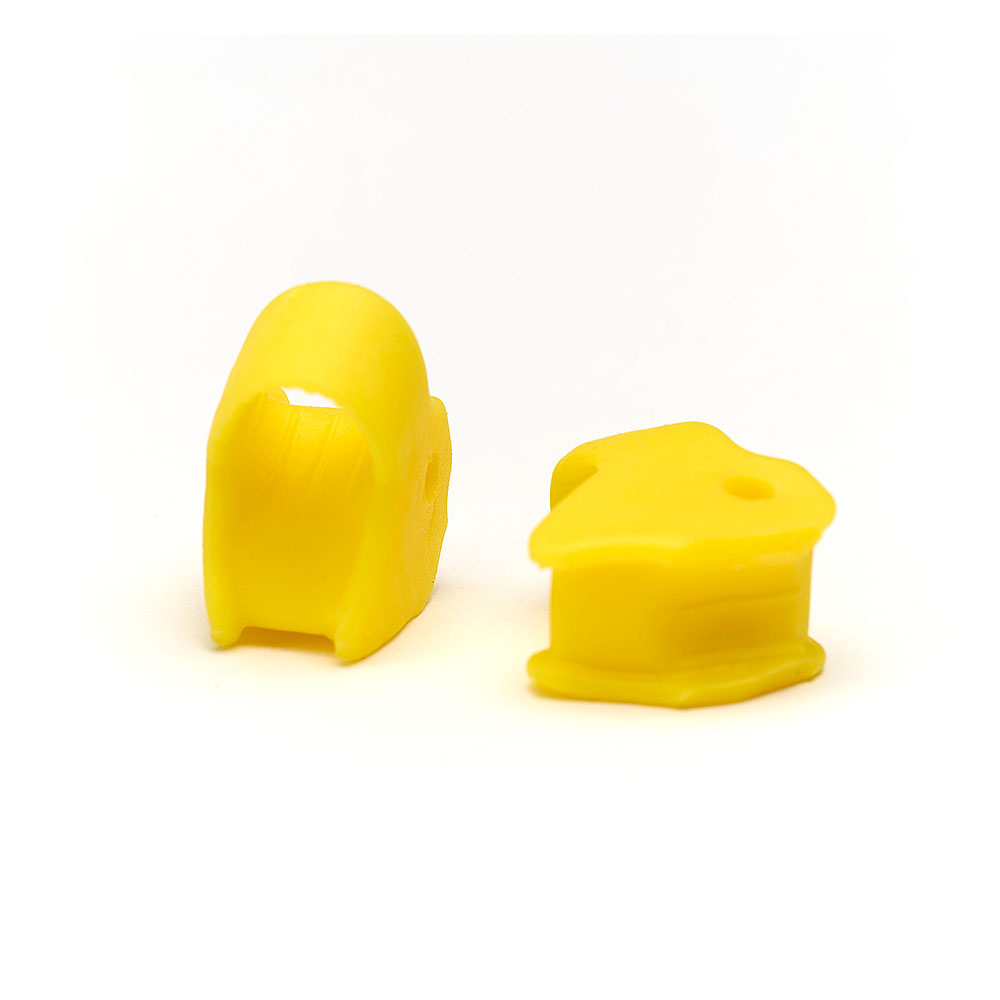
It may sound plausible, but it isn’t — it’s more like a capitulation of the runner’s natural kinematics. Joe Nimble shoes take a different path. The wide toe box allows the toes to splay at toe-off, increasing stability and power transfer. ToePilot® specifically relieves pressure from the first metatarsophalangeal joint and integrates effective big-toe engagement into the gait cycle. Despite the wide toe box, the midfoot and heel have a conventional, secure fit.
All components pursue the same goal: harness your capabilities without distorting natural running dynamics.
What does that mean for me?
As muscle and pre-tension return and your intrinsic damping reactivates — and as the big toe plays a stronger role in your stride — you actively work toward a better running form.
For many of our runners, stability posts or similar inserts become unnecessary. Hallux deviations can be positively influenced within certain limits, and efficiency can improve.
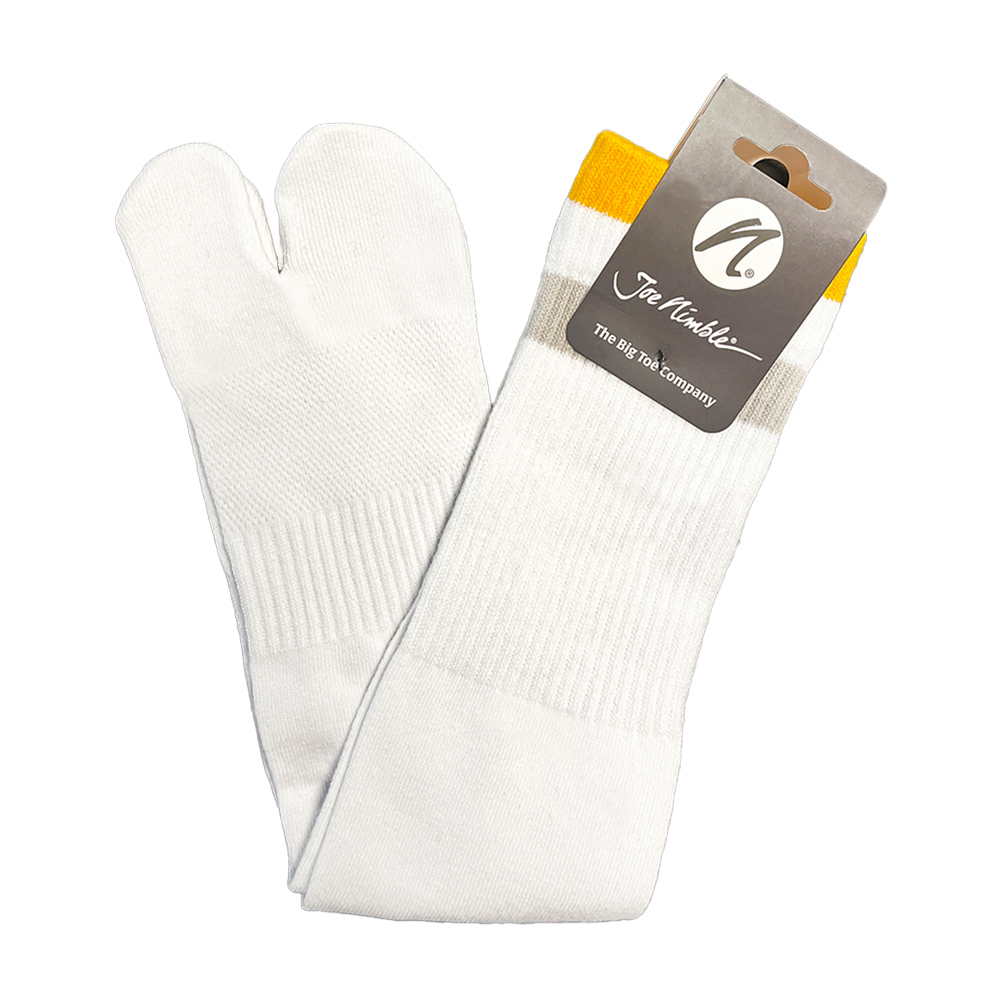
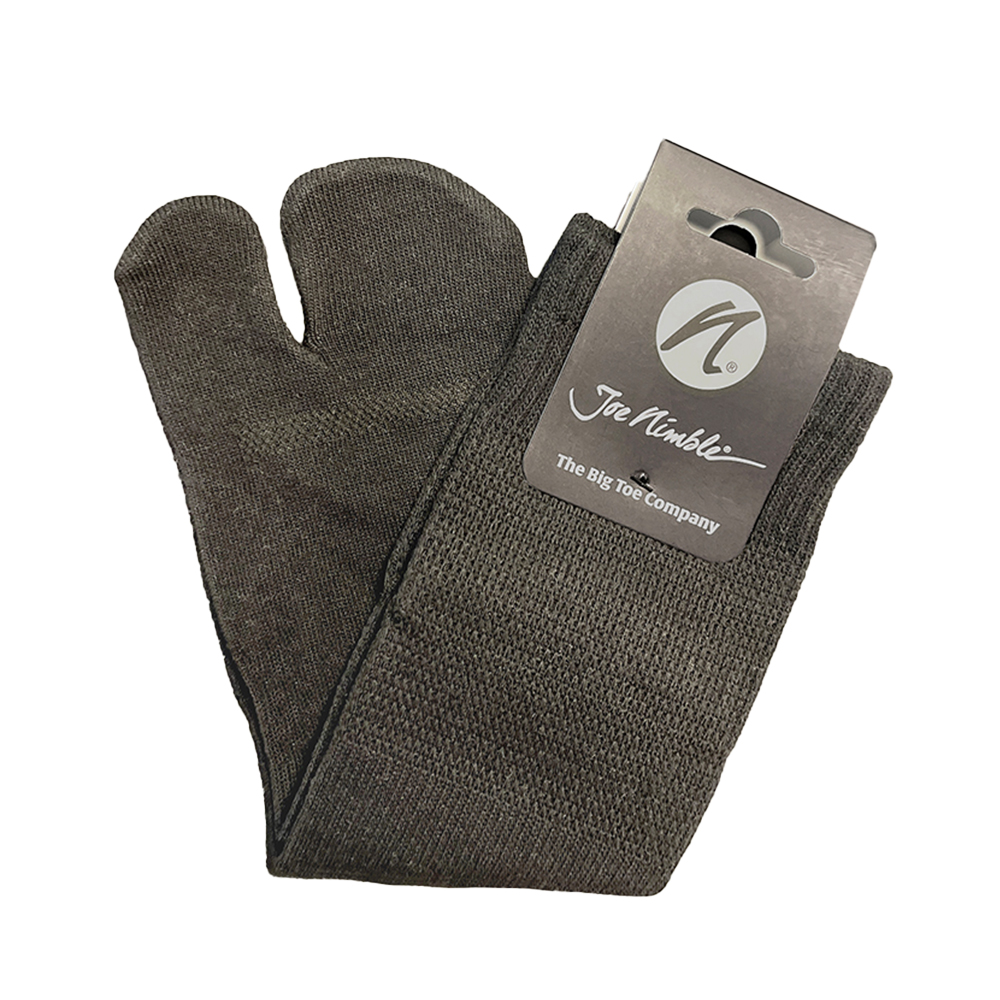
Training tools from our accessories range support this process.
Conclusion
A treadmill analysis shows how you run and identifies potential areas to work on to improve your experience and help prevent injuries. Whether it ultimately leads to the best shoe for you, however, is questionable.